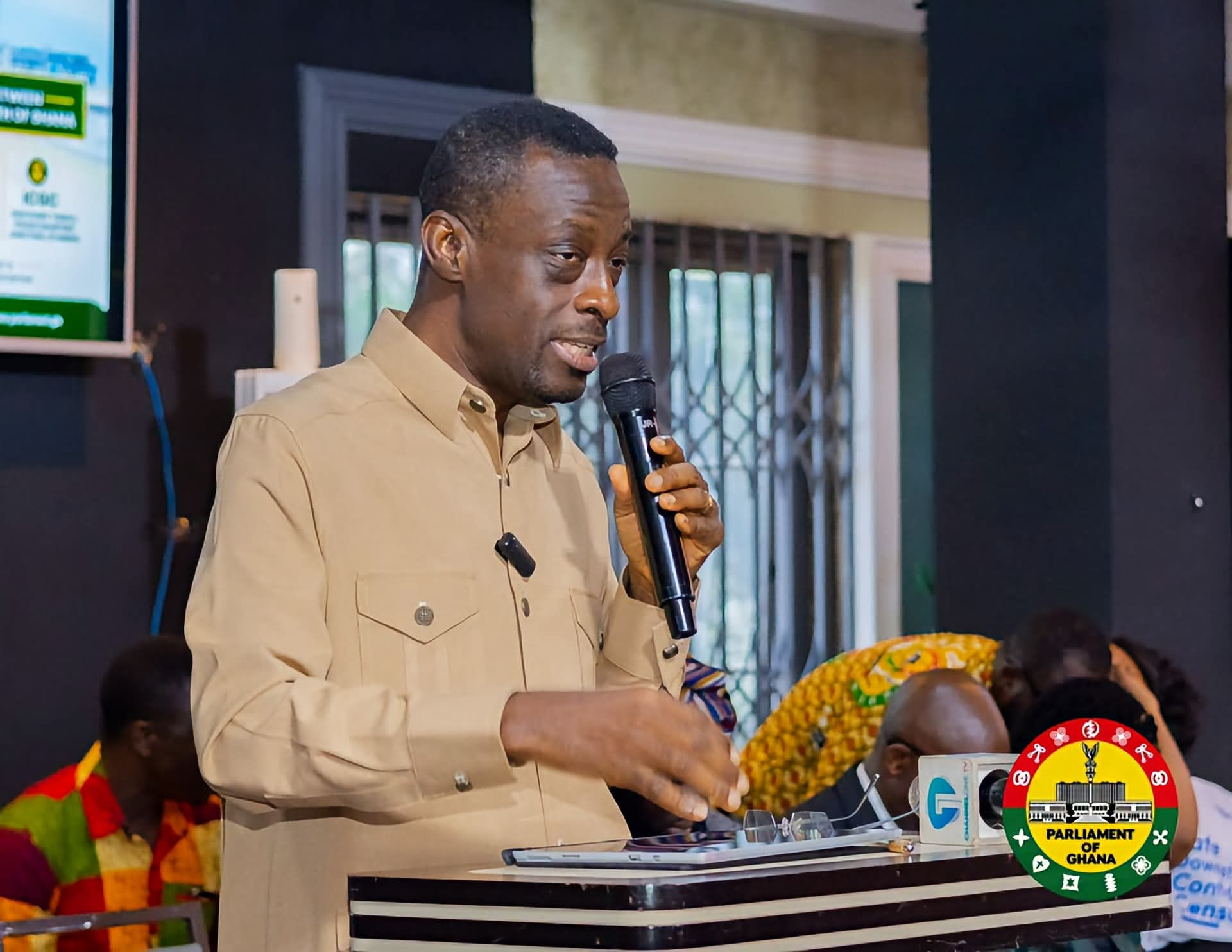
The Parliamentary Affairs Committee of Parliament, in collaboration with the National Commission for Civic Education (NCCE) in the Awutu Senya East Municipality, has held its maiden youth engagement in Kasoa as part of efforts to strengthen relations between Parliament and young people and encourage their active participation in democratic governance.
The engagement, held under the theme, “Bridging the Gap between Parliament and the Ghanaian Youth,” provided a platform for interaction between members of the committee, government representatives and young people on the role of Parliament, the responsibilities of elected representatives and the importance of youth involvement in national development.
The initiative sought to deepen young people’s understanding of parliamentary democracy while creating opportunities for them to engage with political and governance institutions on issues affecting their lives and communities.
Chairman of the Parliamentary Affairs Committee, Hon. Kwabena Okyere Darko-Mensah, emphasised that Parliament belongs to the people and must remain accessible and responsive to their concerns.
He highlighted the core functions of Parliament, including lawmaking, representation and oversight of the Executive, while explaining the responsibilities of Members of Parliament in ensuring that the interests and concerns of their constituents are adequately represented.
Mr Darko-Mensah urged the youth to embrace integrity, collective responsibility and communalism, stressing that these values were essential to building a prosperous and inclusive Ghana.
He encouraged participants to recognise their role in shaping the country’s future and contribute meaningfully to national development rather than remain passive observers of the democratic process.
The Member of Parliament for Awutu Senya East, Hon. Phillis Naa Koryoo Okunor, also called on young people to take a more active interest in parliamentary democracy and establish constructive engagements with their elected representatives.
She urged the youth to move beyond what she described as unnecessary noise and concentrate on identifying practical solutions to challenges confronting their communities and the country.
According to her, young people must use their voices and influence responsibly to promote national unity, constructive dialogue and development.
She further encouraged them to take advantage of democratic platforms to express their concerns, make meaningful contributions to public discussions and hold their representatives accountable through constructive engagement.
Speaking on behalf of the Central Regional Minister, the Municipal Chief Executive for Awutu Senya East, Mr Seth Serwornu-Banini, described the engagement as a timely initiative that would help strengthen the relationship between young people and democratic institutions.
He stressed that democracy should not be limited to periodic elections but must be sustained through continuous dialogue, transparency, accountability and meaningful public participation in governance.
Mr Serwornu-Banini noted that creating opportunities for young people to interact with policymakers and public officials was essential to building trust in public institutions and ensuring that governance remained responsive to the needs and aspirations of citizens.
He further underscored the importance of youth participation in promoting peace, social cohesion and sustainable development, urging participants to take advantage of the engagement to better understand their civic responsibilities.
Beyond discussions on parliamentary democracy, members of the committee also used the engagement to encourage participants to invest in their personal development and prepare themselves for emerging opportunities.
They urged the youth to identify their strengths, develop relevant competencies and acquire additional skills that would improve their employability and prospects for career advancement.
Participants were also encouraged to establish clear career plans, remain proactive in pursuing their ambitions and cultivate positive attitudes and mindsets that would enable them to overcome challenges.
The committee members stressed that personal development, discipline and preparedness were important attributes for young people seeking to make meaningful contributions to society.
Director of Policy, Planning, Monitoring and Evaluation, Madam Florence Ayisi Quartey, speaking on behalf of the Minister for Gender, Children and Social Protection, encouraged participants to develop a clear vision for their future and pursue the necessary qualifications and opportunities to translate their aspirations into reality.
She emphasised the importance of setting achievable goals, acquiring relevant knowledge and remaining committed to personal and professional development.
Madam Ayisi Quartey further urged young people not to allow their ambitions and aspirations to be perceived as security threats, but rather to recognise them as opportunities for growth, innovation and national development.
She encouraged stakeholders to create an enabling environment in which young people could pursue their dreams, develop their potential and contribute positively to society.
The maiden engagement in Kasoa forms part of efforts to bring Parliament closer to the Ghanaian population, particularly the youth, by promoting civic awareness and encouraging greater participation in democratic governance.
It also highlighted the importance of sustained collaboration between Parliament, civic education institutions, local government authorities and other stakeholders in addressing the concerns of young people.
Through such engagements, young people are expected to gain a better understanding of Parliament’s work, appreciate their rights and responsibilities as citizens, and become more actively involved in decision-making processes that affect their communities and the country.
The initiative reinforces the need for a more inclusive democratic culture in which young people are not merely regarded as beneficiaries of national development but are recognised as important partners in shaping Ghana’s governance and future.
By 1960news.com