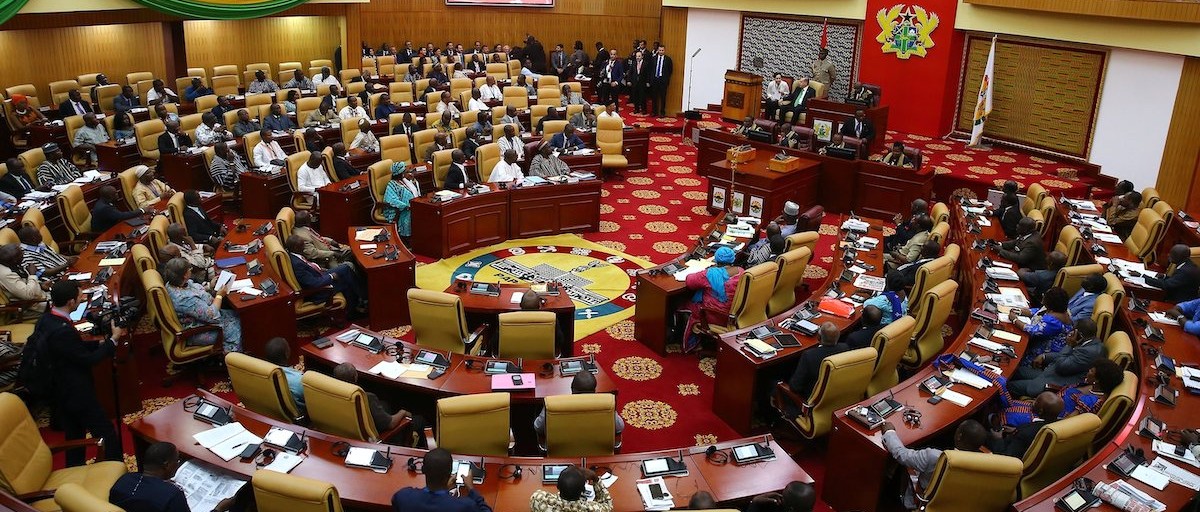
he Media Coalition for Good Governance (MCGG) has condemned the ridicule of Members of Parliament (MPs) over their english proficiency, calling for a radical shift toward indigenous languages in governance.
The controversy follows recent public commentary including remarks attributed to former Information Minister Fatimatu Abubakar that cast a spotlight on the English fluency of certain lawmakers.
MPs like Millicent Yeboah Amankwah (Sunyani West) and Theresa Lardi Awuni (Okaikwei North) have found themselves at the center of social media chatter regarding their “linguistic performance.”
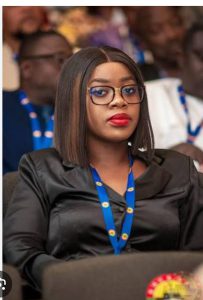
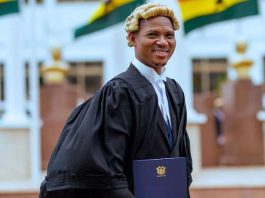
Millicent Yeboah Amankwah MP Sunyani West
The MCGG argues that this focus is not just disrespectful, but undemocratic.
”An MP is elected to represent the people, not to compete in a linguistic performance,” the Coalition stated.
“Language proficiency should not be conflated with competence, intelligence, or the ability to effectively represent constituents.”
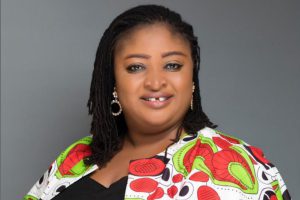 Theresa Lardi Awuni MP, kaikwei North
Read full press statement.
FOR IMMEDIATE RELEASE
Media Coalition for Good Governance Condemns Mockery of MPs Over Language, Calls for Expanded Use of Ghanaian Languages in Parliament
The Media Coalition for Good Governance has strongly condemned the growing trend of ridiculing Members of Parliament (MPs) over perceived challenges with English during parliamentary presentations, describing the practice as undemocratic, disrespectful, and detrimental to effective representation.
A Member of Parliament is elected to represent the people of his or her constituency—not to compete in linguistic performance. Reducing parliamentary discourse to mockery over language proficiency undermines the dignity of Parliament and distracts from substantive national issues.
Context of Recent Debate
Recent public commentary, including remarks attributed to former Minister of Information Fatimatu Abubakar, has reignited discussion about English proficiency among some MPs. In particular, public conversations have referenced MPs such as:
Millicent Yeboah Amankwah (Sunyani West)
Theresa Lardi Awuni (Okaikwei North)
While political debate is a healthy component of democracy, language proficiency should not be conflated with competence, intelligence, or the ability to effectively represent constituents.
English remains Ghana’s official language and the primary medium for legislation and debate. However, it is important to recognize that for many MPs—and indeed many citizens—English is a second language. Parliament exists to reflect the people of Ghana in all their diversity, including linguistic diversity.
Language Use in African Parliaments: A Broader Perspective
Across Africa, parliamentary systems reflect a blend of colonial and indigenous languages.
East Africa – Strong Indigenous Language Integration
* Tanzania: Swahili (Kiswahili) is the primary language of debate.
* Kenya: Uses both English and Swahili; Kenya Sign Language is also recognized.
* Uganda: English and Swahili are used in parliamentary discourse.
Southern Africa – Multilingual Recognition
South Africa: Recognizes 12 official languages, including isiZulu, isiXhosa, Afrikaans, and others. English remains widely used but is not exclusive.
Zimbabwe: Primarily uses English, with Shona and Ndebele also spoken in the chamber.
West and Central Africa – Colonial Language Dominance with Emerging Reforms
Nigeria: English dominates, though advocacy continues for Hausa, Yoruba, and Igbo.
Senegal, Côte d’Ivoire, and Cameroon: French is predominant.
Ethiopia: Amharic is the primary language of parliamentary proceedings.
At the continental level, the Pan-African Parliament operates with Arabic, English, French, Portuguese, and Swahili as working languages, reflecting Africa’s linguistic diversity.
The Legal Position in Ghana
Under the Standing Orders of the Parliament of Ghana (Order 63), members may speak in specified Ghanaian languages—including Akan, Nzema, Ga, Ewe, Hausa, Dagbani, and Dagaare—provided interpretation services are available. English remains the official language for documentation and legislative records.
This provision reflects recognition that linguistic inclusivity strengthens democratic participation.
Coalition’s Position
The Media Coalition for Good Governance calls for:
1. An immediate end to public ridicule of MPs based on language proficiency.
2. Full implementation of interpretation services in Parliament to operationalize the use of Ghanaian languages.
3. Investment in translation technology and professional interpreters to ensure accuracy and efficiency.
4. A national dialogue on linguistic inclusion, recognizing that representation should prioritize substance over accent or fluency.
Democracy thrives when citizens see themselves reflected in their institutions.
Allowing MPs to speak confidently in languages understood by their constituents enhances participation, improves accountability, and deepens national unity.
Language should be a bridge—not a barrier—to governance.
About the Media Coalition for Good Governance (MCGG)
The Media Coalition for Good Governance is a non-partisan civil society platform committed to promoting transparency, accountability, institutional integrity, and inclusive democratic practices in Ghana.
Conveners
Kwadwo Barfour (055 131 5059)
Sampson Kumah I. Elvis (0508691289)