
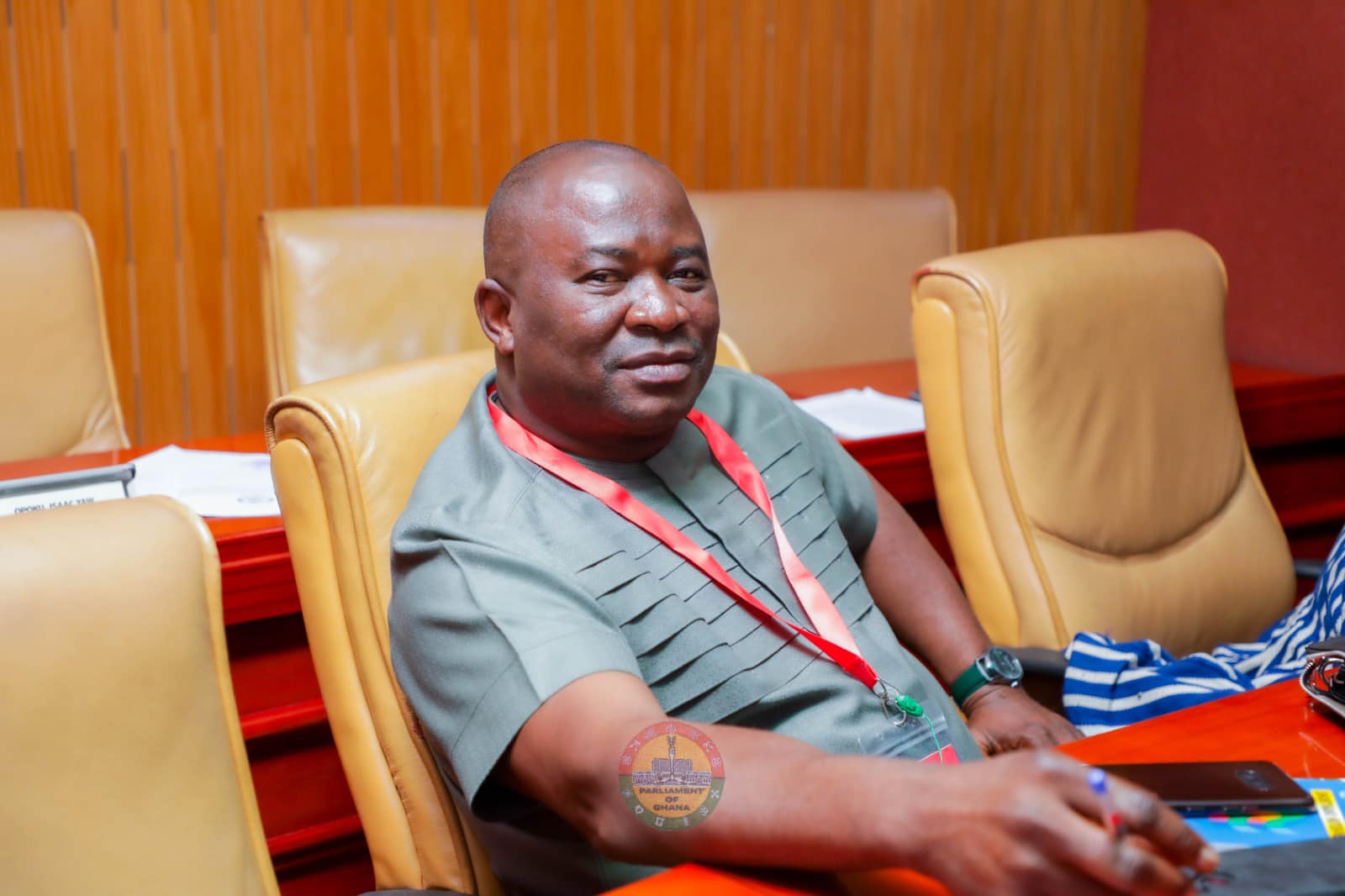
The Member of Parliament for Akyem Oda in the Eastern Region, Alexander Akwasi Acquah, has renewed calls for Ghana to aggressively expand its solar energy capacity, describing the country’s abundant sunlight as an underutilised solution to persistent power challenges.
According to the MP, the global solar sector supports millions of jobs across manufacturing, installation, and research, making it not only an environmentally friendly option but also a strong economic driver.
His remarks come at a time when erratic power supply continues to disrupt businesses and daily life across the country, reigniting debate over sustainable and reliable energy alternatives.
In a social media post, the former Deputy Health Minister referenced a major policy proposal by Mahamudu Bawumia, the 2028 presidential candidate of the New Patriotic Party (NPP).
The proposal seeks to add 2,000 megawatts (MW) of solar power to Ghana’s energy mix within the first four years of an NPP administration.
The initiative aims to reduce the country’s reliance on oil- and gas-fired thermal power while cutting electricity tariffs by approximately 50 percent.
It also includes plans to abolish import duties on solar panels and related renewable energy equipment, a move expected to make installations more affordable for individuals and businesses.
The policy has been presented as a strategic intervention to stabilise electricity supply and reduce operational costs for businesses, including members of the Ghana Union of Traders’ Associations (GUTA), many of whom have been significantly affected by power instability.
Mr. Acquah argued that if such initiatives had already been implemented, Ghana would be in a stronger position to manage its current energy challenges.
“By now, the 2,000 megawatts solar solution would have been underway,” he said.
“We are experiencing intense heat and sunlight daily, yet we are not fully utilising this natural resource to solve our power problems.”
He urged policymakers to prioritise renewable energy investments as a sustainable pathway to energy security, economic growth, and a reduced cost of living.
The Oda lawmaker further stressed the need for Ghana to cut its dependence on expensive imported oil and gas by harnessing solar energy, particularly in off-grid communities.
He noted that solar systems can deliver reliable electricity to remote areas, powering clinics, schools, and small businesses while improving living standards.
“Off-grid solar is not just about lighting homes; it is about transforming livelihoods and expanding opportunities in underserved communities,” he added.
Beyond improving access, he highlighted the economic benefits of solar energy, including lower electricity bills, reduced environmental pollution, and long-term financial savings for both households and businesses.
He also emphasised that integrating battery storage into solar systems allows homes and businesses to maintain power during outages—an increasingly critical advantage as Ghana continues to experience recurring fluctuations.
With rapid technological advancements and declining manufacturing costs, Mr. Acquah noted that solar energy is becoming more affordable and practical, positioning it as a viable long-term solution to Ghana’s energy needs.
By 1960news.com